Lingerie in 2026 is moving beyond the idea that underwear should be purely practical or reserved for special occasions. Modern designs bring together comfort, personal expression, thoughtful construction, and details that can become part of an everyday outfit. Soft bras, decorative lace, sheer fabrics, expressive colors, and lingerie inspired outerwear are shaping collections. The common thread is choice: people want underwear that feels good, fits their bodies, and reflects their individual style.
The Shift Toward Comfort Without Sacrificing Style
Comfort has become a central part of modern lingerie design. For years, shoppers often had to choose between attractive underwear and pieces they could wear comfortably throughout the day. That distinction is becoming less relevant as brands experiment with lighter materials, flexible support, and more thoughtful construction.
The change does not mean structured lingerie has disappeared. Instead, designers are reconsidering how structure should work. A bra can provide support without relying on stiff materials or excessive padding. Stretch fabrics, flexible panels, and carefully positioned seams help create shape while allowing natural movement.
This balance reflects a broader change in how people approach everyday clothing. Underwear is expected to work with the body rather than force it into a particular shape. Comfort now influences decisions about fabric, fit, fastening, and silhouette, not just softness.
Soft Structure and Wireless Support
Wireless bras and soft cup designs remain important because they offer an alternative to traditional rigid construction. Modern versions often use shaped fabric panels, supportive bands, wider straps, and flexible materials to provide a secure fit. They are designed to feel relaxed without looking unfinished.
However, wireless does not automatically mean supportive. The quality of the band, cup construction, strap placement, and sizing still matters. People with fuller busts may need wider bands, stronger side support, or carefully engineered cups. A well designed bra should distribute weight comfortably rather than placing unnecessary pressure on the shoulders.
The defining lingerie trends 2026 include this movement toward softer construction, but the best choice still depends on individual fit. Someone who prefers a structured underwire bra does not need to replace it with a bralette simply because softer styles are popular. The real trend is having more options that serve different needs.
Seamless Finishes and Everyday Function
Seamless underwear continues to appeal to people who want a smooth finish under fitted clothing. Bonded edges, flat seams, and lightweight fabrics can reduce visible lines beneath dresses, trousers, and close fitting tops. These details are especially useful when an outfit has a thin or delicate outer fabric.
The design challenge is creating seamless pieces that remain comfortable after several hours of wear. Fabric that stretches well, retains its shape, and feels soft against the skin can make a significant difference. Breathability also matters, particularly for underwear worn throughout long working days.
Modern everyday lingerie is increasingly expected to combine appearance with practical performance. A simple brief or T shirt bra can still feel considered when its fit, fabric, and finish are carefully designed.
Sheer Fabrics and Decorative Lace Take Center Stage
Sheer materials are giving lingerie a lighter and more expressive appearance in 2026. Fine mesh, embroidered tulle, transparent panels, and delicate lace are appearing across bras, briefs, bodysuits, and slips. These fabrics allow designers to create visual interest without relying on heavy embellishment.
The appeal comes from contrast. A sheer panel beside an opaque section can highlight the shape of a garment while maintaining coverage where it is wanted. Embroidery adds texture, while lace creates a softer finish. The result can feel delicate, dramatic, or understated depending on the design.
Modern Lace With More Detailed Construction
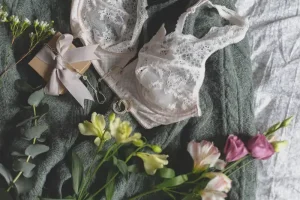
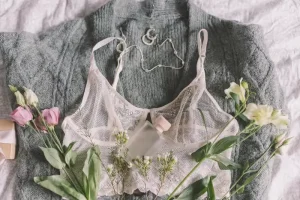
Lace remains a familiar part of lingerie, but its presentation is becoming more varied. Instead of using one lace pattern across an entire garment, designers combine different textures, embroidered motifs, and contrasting trims. Floral designs, geometric patterns, and fine scalloped edges give familiar silhouettes a fresh appearance.
Placement is just as important as the pattern itself. A small lace panel along a neckline can create a subtle decorative effect, while all over lace makes a stronger statement. Some designs use embroidery over transparent mesh to create the impression of floating details against the skin.
For everyday wear, softer lace with smooth edges can be easier to manage than heavily textured designs. Check how the material feels against the body, especially around the underarms, waistband, and leg openings. Attractive detailing should not become uncomfortable after a few hours.
Sheer Bodysuits and Layered Transparency
Sheer bodysuits are gaining attention because they can function as both lingerie and styling pieces. A black mesh design under a tailored jacket creates a different effect from a lace bodysuit worn beneath an open shirt. Both approaches bring lingerie details into an outfit without requiring a complicated combination.
Layering also makes transparency easier to adapt to personal comfort. A sheer top can be paired with an opaque camisole, while a transparent bodysuit can sit beneath a blazer or cardigan. The amount of skin shown depends on the layers, neckline, and occasion.
The key is intentional styling. A sheer piece should work with the rest of the outfit rather than feel like an unrelated addition. Choosing one focal element, such as embroidered mesh or a lace neckline, often creates a more balanced look than combining several competing details.
Lingerie as Outerwear Becomes an Everyday Styling Choice
One of the most visible fashion directions in 2026 is the movement of lingerie inspired pieces into everyday clothing. Bras, corset tops, bodysuits, camisoles, and slip dresses are increasingly styled as visible parts of an outfit. This direction has received attention in runway coverage and fashion reporting, with designers exploring the relationship between underwear and ready to wear clothing.
The idea is not entirely new, but current styling gives it more flexibility. Rather than treating lingerie as a costume or evening only statement, people are incorporating individual pieces into familiar outfits. A satin camisole can work with relaxed trousers, while a structured bustier can become the focal point of an evening look.
Bralettes, Bustiers, and Corset Inspired Tops
Bralettes are useful for layering because they often have lighter construction and decorative details. A longer line bralette can sit beneath an open shirt or jacket, while a simple design may work under a loose knit top. The styling depends on the garment’s coverage, fabric, and support.
Bustiers and corset inspired tops offer a more defined silhouette. Modern versions may use flexible boning, stretch panels, adjustable straps, or softer fabrics instead of relying entirely on rigid shaping. This makes them easier to incorporate into contemporary outfits.
For a balanced daytime look, pair a structured lingerie inspired top with wide leg trousers, a relaxed blazer, or a loose button down shirt. For evening wear, a satin or lace bustier can work with a simple skirt or tailored pants. The rest of the outfit should support the statement piece rather than compete with it.
Slip Dresses and Satin Inspired Daywear
Slip dresses continue to connect lingerie design with everyday fashion. Their simple shape, smooth fabric, and delicate straps make them easy to style in different ways. A satin slip can be worn alone for an evening occasion or layered with knitwear and a jacket for a more relaxed appearance.
Lingerie inspired camisoles and shorts are also moving into daywear. Fashion coverage in 2026 has highlighted lace trimmed skirts, satin pieces, and sleepwear inspired separates as options for warm weather dressing.
Fabric quality makes a noticeable difference here. Satin with a fluid drape tends to look more refined than material that feels stiff or overly shiny. Fit also matters. A slip dress should allow comfortable movement without pulling awkwardly across the hips or chest.
Expressive Colors and Romantic Details Shape New Collections
Color is becoming a more personal part of lingerie design. Traditional black, white, and nude shades remain useful, but collections are making more room for expressive combinations. Soft pinks, lavender, dusky blue, rich red, berry tones, and brighter accents add variety to everyday underwear.
Fashion reporting for 2026 has identified both romantic pastel palettes and stronger color combinations as notable directions. Some designers are also moving away from the expectation that bras and briefs must match perfectly.
Pastels, Jewel Tones, and Unexpected Color Pairings
Pastel shades bring a gentle appearance to lingerie. Blush pink, pale blue, lavender, and muted peach work particularly well with fine lace and embroidered details. These colors can make a simple bra or brief feel more decorative without requiring elaborate construction.
Jewel tones create a stronger visual effect. Burgundy, deep red, emerald, and berry shades offer depth and can look especially striking in satin or textured lace. They are also useful alternatives for people who want something more expressive than black but prefer darker colors.
Another direction is mixing shades that do not traditionally belong together. A bright bra with neutral briefs or a pastel top with a deeper colored bottom can create a more individual look. The point is not to follow a strict color rule. It is to choose combinations that feel intentional and enjoyable to wear.
Bows, Embroidery, and Decorative Finishing
Small decorative details are receiving renewed attention. Bows, rosettes, scalloped edges, delicate straps, and embroidered flowers can give lingerie a romantic character. Some collections are also exploring dimensional floral details and more intricate surface textures.
The defining lingerie trends 2026 show that minimal design and decorative design can exist side by side. A smooth everyday bra may have almost no visible ornament, while a special occasion set might feature layered lace and carefully placed embroidery.
The best way to wear decorative lingerie is to consider the overall design. Too many competing details can make a garment feel busy, while one carefully placed feature can create a polished result. Construction should remain a priority, especially where embroidery or raised trims touch the skin.
Better Fit, Inclusive Design, and More Thoughtful Materials
Modern lingerie design is paying closer attention to the different bodies and practical needs of shoppers. A single standard shape cannot serve everyone comfortably. Differences in bust size, body proportions, mobility, skin sensitivity, and personal preference all influence what makes underwear suitable.
This has encouraged brands to think beyond appearance. Adjustable features, broader size options, different cup shapes, and alternative fastening systems can make garments more useful. Inclusive design should be considered in the pattern making process, not added as a marketing message after a collection is complete.
Fit Options and Adaptive Lingerie
Fit is one of the most important factors when choosing underwear. A bra that looks attractive but rides up, digs into the shoulders, or leaves gaps in the cups is unlikely to become a favorite. Better sizing guidance and a wider range of cuts can help shoppers find designs that suit their proportions.
Adaptive lingerie addresses practical needs that conventional designs may overlook. Front closures, easier fastenings, softer seams, and tag free construction can help people who have limited mobility, sensory sensitivities, or specific recovery needs. Post surgery designs may also include pockets for prostheses and construction intended to provide gentle support.
These features are not separate from fashion. Thoughtful design can combine useful construction with attractive colors, fabrics, and finishing. The strongest approach recognizes that comfort and personal style should not be treated as competing priorities.
Responsible Fabrics and Longer Lasting Design
Material choices are becoming a bigger part of the conversation around underwear. Some brands are exploring recycled fibres, responsibly sourced lace, and fabrics made with lower impact production methods. Others are focusing on durability and construction that can extend a garment’s useful life.
Shoppers should look beyond broad sustainability claims. Check whether a brand explains its materials, manufacturing standards, and care requirements clearly. A recycled label alone does not tell the full story of a product’s environmental impact.
Longevity is also a practical consideration. Well made elastic, secure stitching, quality fastenings, and fabric that retains its shape can reduce the need for frequent replacement. Following washing instructions helps protect delicate materials. Using a laundry bag, selecting a gentle cycle where suitable, and avoiding excessive heat can help preserve lace and elastic.
How to Choose Lingerie Trends That Suit Your Personal Style
Following fashion does not mean replacing every basic item in your underwear drawer. The most useful approach is to identify which trends fit your lifestyle, clothing preferences, and comfort needs. A person who wears fitted work clothes may value seamless underwear, while someone who enjoys layered outfits may prefer bodysuits and decorative bralettes.
Start with fit. Check the band, cups, straps, and leg openings before considering color or decoration. Underwear should stay in place without causing pain, excessive pressure, or constant adjustment. If a bra is uncomfortable, a different size or construction may be more suitable than a more fashionable design.
Next, think about how often you will wear the piece. An elaborate lace set may be enjoyable for special occasions, while a soft everyday bra can offer more regular use. Both can have a place in a wardrobe, but they serve different purposes.
The defining lingerie trends 2026 offer plenty of room to experiment without losing sight of practicality. Try one new detail at a time, such as a pastel shade, a sheer layer, or a lace trimmed camisole. This makes it easier to discover what you genuinely enjoy rather than buying pieces simply because they are popular.
Finally, consider how lingerie works with your outerwear. A smooth bra may be the right choice under a fitted shirt, while a visible bralette can add interest beneath an open jacket. The best wardrobe includes different options for different outfits, moods, and activities.
Conclusion
Lingerie design in 2026 is shaped by a mix of comfort, self expression, decorative detail, and everyday versatility. Soft construction and seamless finishes meet the continuing appeal of sheer fabrics, lace, corset inspired silhouettes, and visible lingerie styling. Color and inclusive design are also giving shoppers more ways to find pieces that reflect their preferences.
The strongest trend is the freedom to choose. Underwear can be simple, expressive, supportive, romantic, or designed to become part of an outfit. What matters most is finding pieces that feel comfortable, fit properly, and make sense for the way you dress.
FAQs
1. What are the biggest lingerie trends in 2026?
Major trends include soft structured bras, sheer fabrics, decorative lace, expressive colors, corset inspired tops, seamless underwear, and lingerie pieces styled as everyday clothing.
2. Are wireless bras still fashionable in 2026?
Yes. Wireless bras remain popular because modern designs combine flexible support, comfortable fabrics, and attractive shapes without relying on traditional rigid underwire construction.
3. How can lingerie be styled as outerwear?
Wear a lace bodysuit beneath a blazer, pair a bralette with an open shirt, or style a satin camisole with tailored trousers for balanced everyday dressing.
4. Which lingerie colors are popular in 2026?
Pastels such as lavender and blush remain popular, alongside deeper shades like burgundy, berry, and red. Unexpected color combinations also encourage more personal styling choices.
5. What should shoppers consider when choosing trendy lingerie?
Prioritize proper fit, comfortable materials, support, and intended use. Choose decorative details and fashionable colors only when the garment feels good and suits your wardrobe.