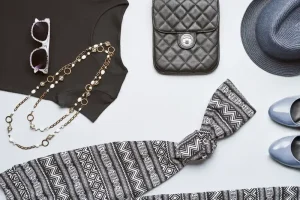
Clothing accessories can change the appearance of an outfit without requiring an entirely new wardrobe. A simple combination of jeans and a plain shirt can look polished with the right belt, handbag, shoes, and jewelry. These details introduce personality, improve visual balance, and connect individual clothing pieces into a coordinated look.
Understanding the role of clothing accessories helps fashion enthusiasts make better styling decisions. Rather than treating accessories as optional additions, it is useful to consider how they influence proportions, color relationships, texture, and overall outfit functionality. A carefully selected scarf can introduce contrast, while a structured handbag can give relaxed clothing a more refined appearance.
This article explores how essential accessories improve basic outfits, which pieces offer the greatest styling flexibility, and how to coordinate them without making an outfit look crowded. It also explains practical selection techniques for building a versatile accessory collection that supports everyday dressing.
Understanding the Role of Clothing Accessories in Everyday Styling
Accessories serve several purposes beyond decoration. They help establish an outfit’s visual direction, connect different colors, and introduce details that make familiar clothing combinations more distinctive.
The role of clothing accessories becomes particularly important when working with basic wardrobe pieces. Neutral shirts, denim, simple dresses, and tailored trousers provide a foundation, but accessories determine how these garments come together.
For example, a white shirt and black trousers create a straightforward combination. Adding a leather belt, understated earrings, and a structured handbag gives the outfit a more intentional appearance. Replacing those accessories with sneakers and a canvas tote changes its overall character.
This flexibility makes accessories valuable for people who prefer practical wardrobes. A small collection of well-chosen items can support multiple outfits without requiring frequent clothing purchases.
Accessories Create a Clear Visual Direction
Every outfit communicates a particular style. Accessories help reinforce that direction by introducing recognizable design details.
A leather watch, structured handbag, and polished shoes can support a professional appearance. A fabric tote, colorful scarf, and casual jewelry create a more relaxed impression. Neither combination requires changing the basic clothing.
The role of clothing accessories also involves consistency. When accessories share similar design characteristics, such as clean lines, complementary finishes, or related colors, the outfit generally looks more coordinated.
Small Details Influence the Overall Impression
People often notice the combined effect of an outfit before identifying individual accessories. A mismatched belt, oversized bag, or unsuitable footwear can interrupt an otherwise balanced combination.
This does not mean every accessory needs to match perfectly. It means each piece should contribute to the intended appearance rather than compete for attention.
Color Coordination That Connects Basic Clothing Pieces
Color is one of the most effective ways to create visual consistency. Accessories can repeat existing clothing shades, introduce controlled contrast, or connect colors that might otherwise appear unrelated.
Neutral clothing provides considerable flexibility. Black, white, gray, beige, and navy work with many accessory colors, making them useful foundations for everyday styling.
Using Accessories to Repeat Key Colors
Repeating a color in two or three parts of an outfit creates a visual connection. For example, a brown leather belt can complement brown shoes and a matching handbag.
The shades do not need to be identical. Different tones of brown can work together when their undertones and finishes are compatible.
The same principle applies to jewelry and clothing accents. Gold earrings can complement warm-colored clothing, while silver accessories often work naturally with cooler shades.
Introducing Contrast Without Overcomplicating an Outfit
Accessories also provide a controlled way to experiment with color. A bright red handbag can add interest to an otherwise neutral outfit, while a green scarf can introduce a seasonal accent.
The role of clothing accessories is especially noticeable when an outfit uses a limited color palette. One distinctive item can become the focal point without making the entire combination visually complicated.
A useful approach is to choose one dominant accent color and repeat it subtly elsewhere. This creates continuity while allowing the statement piece to remain noticeable.
Essential Accessories That Transform Basic Outfits
Not every accessory offers the same level of versatility. Some pieces work across several clothing categories, while others serve a more specific styling purpose. Understanding these differences helps create a collection that delivers practical value.
Belts That Define Shape and Improve Proportion
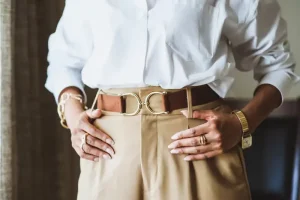
Belts are functional accessories that can also change the silhouette of an outfit. A slim belt adds definition to tailored trousers, while a wider design can emphasize the waist over dresses or longer shirts.
Leather belts in black, brown, or tan are useful starting points because they work with many everyday combinations. Buckle design and width should complement the clothing rather than dominate it.
A belt can also connect footwear and handbags through related leather finishes. This creates a coordinated appearance without requiring exact color matching.
Handbags That Balance Function and Style
Handbags contribute significantly to an outfit’s overall structure. Their size, shape, material, and carrying style influence how formal or relaxed a combination appears.
Structured handbags generally complement tailored clothing, while soft shoulder bags and crossbody designs suit casual outfits. Tote bags offer practical storage for work, shopping, and everyday activities.
The role of clothing accessories includes balancing visual proportions. A very large bag can overwhelm a delicate outfit, while an extremely small bag may look out of place with oversized outerwear.
Choose a handbag based on both practical requirements and the clothing it will accompany most frequently.
Jewelry That Adds Detail Without Creating Clutter
Jewelry introduces shine, texture, and personality. Earrings, necklaces, bracelets, and rings can make basic clothing look more considered.
Simple stud earrings and delicate chains are suitable for understated everyday styling. Chunky necklaces and larger earrings create stronger visual statements, particularly when paired with plain tops.
Neckline shape is an important consideration. Short necklaces often work with open necklines, while longer pendants can complement higher-necked clothing.
Avoid adding several competing statement pieces when the outfit already contains strong patterns or decorative details.
Footwear That Completes the Outfit
Shoes are among the most influential styling choices because they affect both appearance and practicality. The same jeans and sweater combination can look professional with leather loafers, relaxed with sneakers, or more refined with ankle boots.
Footwear should complement the outfit’s formality and proportions. Pointed-toe shoes can create a streamlined appearance with tailored trousers, while chunky sneakers introduce a more casual contrast.
Color also matters. Neutral footwear offers flexibility, but a distinctive shoe color can create an intentional focal point. Comfort, fit, sole construction, and suitability for the occasion should remain part of the decision.
Scarves, Hats, and Eyewear for Personal Expression
Scarves, hats, and eyewear introduce styling opportunities that extend beyond traditional jewelry and bags. A patterned scarf can add color to a plain coat, while a simple wool design creates texture without dominating the outfit.
Hats influence the overall silhouette. Baseball caps support casual styling, whereas structured hats can create a more distinctive appearance. Eyewear also contributes to personal style through frame shape, color, and material.
These accessories are particularly useful because they can introduce personality while serving practical purposes. The role of clothing accessories is not limited to decoration. Good choices can also provide warmth, sun protection, comfort, and everyday convenience.
How Proportion and Texture Create Visual Balance
An outfit can contain attractive individual pieces and still look disconnected. This often happens when accessory sizes, materials, or shapes do not work well with the clothing.
Proportion describes the relationship between the size and placement of accessories and the garments around them. A large handbag, for example, creates a different visual effect with an oversized coat than with a fitted summer dress.
Matching Accessory Scale With Clothing Silhouettes
Large accessories generally work well with simple clothing because they provide a clear point of emphasis. Smaller accessories are useful when garments already contain strong details, patterns, or decorative elements.
Consider a loose sweater paired with wide-leg trousers. A defined belt can introduce structure, while a compact shoulder bag prevents the combination from looking unnecessarily bulky.
The role of clothing accessories becomes clearer when styling decisions account for the complete silhouette rather than individual products.
Combining Different Textures and Materials
Texture creates depth even when an outfit uses only a few colors. Smooth leather, brushed metal, woven fabric, suede, and polished finishes each interact differently with light.
A cotton shirt paired with a leather belt and metal jewelry creates subtle contrast. A knitted sweater with a structured handbag introduces another combination of soft and firm materials.
Mixing textures works best when there is a clear relationship between the materials. Too many unrelated finishes can make an outfit feel visually busy. Repeating one material or finish in a secondary accessory often creates a more connected result.
Choosing Accessories for Different Occasions
Accessories should reflect the environment in which an outfit will be worn. A combination suitable for a professional meeting may not offer the same practicality for travel or a casual weekend.
The role of clothing accessories changes according to the occasion, clothing requirements, and activities involved. Selecting pieces with these factors in mind helps maintain both comfort and visual consistency.
Professional and Workplace Outfits
Workwear generally benefits from accessories that support a polished appearance without creating unnecessary distractions.
A leather belt, classic watch, structured handbag, and understated jewelry can complement tailored trousers, blazers, and simple shirts. Footwear should be comfortable enough for the working day while remaining appropriate for the workplace.
Accessories do not need to be expensive to look refined. Clean construction, suitable materials, and good condition often matter more than visible branding.
Casual and Weekend Styling
Casual outfits allow greater freedom with color, shape, and material. Sneakers, canvas bags, baseball caps, colorful scarves, and layered jewelry can make basic clothing feel more personal.
For example, straight-leg jeans and a plain T-shirt can be styled with a woven tote, simple necklace, and white sneakers. The result remains comfortable while looking more intentional.
Formal and Evening Occasions
Formal outfits often require more selective accessory choices. A simple dress can become more distinctive through elegant earrings, a small handbag, and appropriate footwear.
Metallic finishes, decorative clutches, and statement jewelry can introduce visual interest. However, accessories should complement the garment’s neckline, fabric, and overall design.
A heavily embellished dress may need only understated jewelry. A plain dress offers more room for a distinctive necklace or earrings.
Building a Versatile Accessory Collection
A useful accessory collection should support different outfits rather than consist entirely of attractive items with limited styling applications.
Start by reviewing the clothing you wear most frequently. Identify its dominant colors, silhouettes, materials, and occasions. This provides a practical basis for choosing accessories that will receive regular use.
Prioritizing Versatility and Quality
Begin with accessories that can serve several purposes. A neutral handbag, comfortable everyday shoes, a classic belt, simple jewelry, and a practical scarf provide a strong foundation.
Quality should be evaluated through construction and expected use. Check stitching, hardware, closures, material durability, and repair options. For footwear, examine sole attachment, fit, and support.
The role of clothing accessories also includes extending the usefulness of existing garments. A versatile collection can create different outfit combinations from the same small group of clothing pieces.
Avoiding Unnecessary Purchases
Buying accessories simply because they are fashionable can create a collection that looks impressive but offers limited everyday value.
Before purchasing, consider whether the item works with at least three existing outfits. Think about its maintenance requirements, comfort, storage, and suitability for your regular activities.
A distinctive statement piece can still be a worthwhile purchase if it fills a genuine styling gap. The objective is not to avoid expressive accessories but to make sure each purchase has a clear purpose.
Summary: Making Accessories Work Together
The role of clothing accessories goes beyond completing an outfit. They influence color coordination, visual proportion, texture, functionality, and personal expression. A carefully selected handbag, belt, pair of shoes, or piece of jewelry can make familiar clothing look more polished and distinctive.
The most effective approach is to choose accessories according to the outfit’s purpose, maintain a clear visual focal point, and avoid unnecessary details. Building a versatile collection also makes everyday styling easier and reduces the need for constant purchases.
Ultimately, the role of clothing accessories is to make existing wardrobe pieces work better together. Thoughtful selection creates cohesive looks that remain practical, comfortable, and consistent with individual style.
Frequently Asked Questions
1. What are the most essential clothing accessories for everyday outfits?
A versatile handbag, comfortable footwear, a classic belt, simple jewelry, a practical watch, and a scarf form a useful foundation. These pieces complement different clothing combinations and make everyday styling easier without requiring a large collection.
2. How do accessories make basic outfits look more stylish?
Accessories introduce color, texture, contrast, and visual interest. For example, adding a structured handbag, leather belt, and simple necklace to jeans and a plain shirt creates a more intentional appearance without changing the basic clothing.
3. Should clothing accessories always match the outfit?
No. Accessories should coordinate rather than match perfectly. Complementary colors, contrasting textures, and different finishes can create more interesting combinations. Maintaining a consistent overall style is generally more important than choosing identical colors.
4. How many accessories should I wear with one outfit?
There is no fixed number. Choose one main statement accessory and add supporting pieces where necessary. Consider the clothing’s patterns, proportions, and details to avoid creating unnecessary visual competition.
5. How can I choose accessories for a capsule wardrobe?
Prioritize neutral colors, versatile designs, durable materials, and pieces that complement several existing outfits. Consider everyday activities and personal preferences before purchasing. This approach helps maximize wardrobe combinations while keeping accessory spending practical.