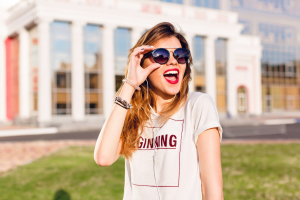
A simple outfit can look completely different with the right accessories. Think about a white shirt, straight leg jeans, and classic shoes. The combination is familiar, but add a bold belt, a few carefully layered necklaces, and an interesting pair of earrings, and the outfit suddenly feels personal. The clothes have not changed. The details have.
That is the value of thoughtful clothing accessories styling. Accessories help express personality, bring balance to an outfit, and make familiar pieces feel fresh. They can also help create different looks without buying an entirely new wardrobe. A single belt or necklace may work with several outfits when chosen carefully.
The secret is knowing what to add, where to place it, and when to stop. From statement belts and layered jewelry to scarves, bags, and smaller finishing touches, the right approach makes everyday dressing more creative and practical.
Understanding the Role of Clothing Accessories
Accessories are the finishing elements that give an outfit character. They include belts, necklaces, earrings, bracelets, watches, scarves, handbags, sunglasses, hats, and hair accessories. Some serve a practical purpose, while others are mainly decorative. Many do both.
A belt can define the waist and improve the fit of an outfit. A necklace can draw attention toward the neckline, while a scarf can introduce color and texture. Even small details, such as a distinctive buckle or an interesting pair of earrings, can make basic clothing feel more considered.
Effective clothing accessories styling starts with understanding the role each piece plays. An accessory should support the outfit rather than compete with every other element. When several items have similar visual weight, the result can feel crowded. A clear focal point usually creates a stronger look.
Accessories as a Form of Personal Expression
Personal style is not simply about following trends. It is about choosing details that reflect individual taste, lifestyle, and comfort. Someone who prefers clean, minimal clothing may enjoy a slim leather belt, small gold hoops, and a structured handbag. Another person may prefer colorful beads, oversized earrings, and vintage inspired pieces.
Accessories also make it easier to experiment. You can introduce a new color or shape without changing your entire wardrobe. For example, a bright scarf can add personality to neutral clothing, while a sculptural necklace can make a plain dress suitable for an evening event.
This flexibility is one reason accessories remain relevant across changing fashion seasons. McKinsey’s State of Fashion 2026 report, drawing on Euromonitor forecasts, projects jewelry unit sales to grow faster than other fashion categories between 2025 and 2028. The report estimates annual sales growth of around 5.3 to 5.6 percent for costume and fine jewelry through 2028.
This interest reflects the appeal of jewelry as both personal expression and a meaningful purchase.
Statement Belts That Transform an Outfit
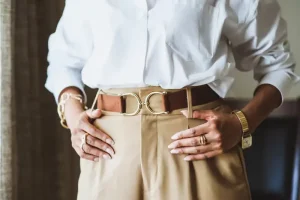
A statement belt does more than hold clothing in place. Its buckle, width, material, and position can change the shape and mood of an outfit. It can define a waist, break up a long silhouette, or add contrast to clothing that otherwise feels simple.
The 2026 fashion collections have given belts renewed attention. Spring and fall styling has included oversized buckles, Western inspired designs, wide waist belts, and belts worn over coats or dresses. Vogue’s coverage of the 2026 collections highlights statement belts at labels including Celine, Khaite, and Ralph Lauren.
However, you do not need a runway wardrobe to use this idea. A well chosen belt can make everyday clothing look more intentional.
Choosing the Right Belt for Your Outfit
Start with the shape and weight of your clothing. A slim belt usually works well with tailored trousers, lightweight dresses, and outfits where you want a subtle finishing detail. A wider belt creates a stronger visual line and can define the waist over a dress, long shirt, or loose blazer.
Buckle design also matters. A large metallic buckle becomes a focal point, so keep other accessories relatively simple. A classic leather belt with a small buckle is easier to wear frequently because it works with different colors and clothing styles.
Material should match the overall mood. Smooth leather looks polished with tailored clothing, while woven, braided, or suede designs can create a more relaxed appearance. When practicing clothing accessories styling, consider how the belt interacts with your shoes and bag rather than automatically choosing identical colors.
Styling Belts With Dresses, Jeans, and Tailoring
A belt can give a loose dress more definition. Place it around the natural waist if you want to highlight that area, or slightly lower if the dress has a relaxed shape. Make sure the belt does not pull the fabric uncomfortably or create unwanted folds.
With jeans, a visible belt adds detail to a simple combination of denim and a tucked in shirt. A statement buckle can bring personality to a neutral outfit, while a narrow belt creates a cleaner finish. For tailored trousers, choose a belt that fits the belt loops and does not interrupt the overall line.
You can also wear a belt over an oversized blazer or coat. This creates shape and makes a loose outer layer look more structured. The trick is to check the proportions from different angles. If the belt makes the outfit look too compressed, try a narrower design or adjust its position.
Layered Jewelry for a Balanced Look
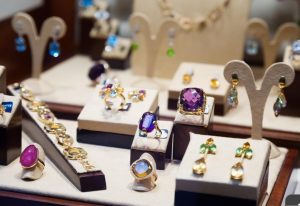
Layered jewelry allows different necklaces, bracelets, and rings to work together. It can create depth and personality, especially when worn with simple clothing. However, successful layering is not about wearing as many pieces as possible. It is about combining different lengths, shapes, and textures so each item has room to stand out.
Fashion coverage of the spring and summer 2026 collections has highlighted jewelry worn over clothing, including layered necklaces over shirts and other everyday pieces.
This approach makes jewelry part of the outfit’s overall composition rather than an afterthought.
How to Layer Necklaces
A useful starting point is to choose two or three necklaces with different lengths. A short chain can sit near the collarbone, a medium necklace can carry a small pendant, and a longer piece can create a vertical line. This spacing helps prevent the pieces from blending into one another.
You can combine delicate chains with a slightly heavier pendant or mix smooth metal with a textured design. The important thing is to create some visual contrast without making the combination feel random. If every necklace has a large pendant, the result may become too busy.
Neckline also affects the final look. A V neck creates space for layered necklaces of different lengths, while a crew neck may work better with shorter chains or one prominent pendant. With a high neckline, a longer necklace can add interest without crowding the neck area.
Mixing Metals, Textures, and Jewelry Styles
Gold and silver do not have to remain separate. Mixing metals can look intentional when the pieces share a similar design language or when one item connects both colors. For example, a two tone watch can make it easier to combine gold earrings with a silver necklace.
Texture adds another dimension. Smooth chains, hammered metal, pearls, beads, and natural stones can work together when their proportions are balanced. Try combining one detailed piece with simpler designs instead of giving every item equal attention.
For everyday clothing accessories styling, start with a consistent color story. Warm gold, brown leather, and cream clothing create a soft combination. Silver jewelry, black accessories, and cool toned clothing can create a sharper effect. These are starting points, not strict rules. Personal preference should guide the final choice.
Stacking Bracelets and Rings
Bracelet stacking works well when the pieces have different widths or textures. A slim chain, a simple bangle, and a watch can create a balanced wrist arrangement. Avoid stacking too many heavy pieces if they restrict movement or make typing and everyday tasks uncomfortable.
Ring stacking follows a similar principle. You can wear several thin rings across different fingers or combine one larger ring with simpler bands. Keep the overall shape comfortable, especially if you use your hands frequently throughout the day.
Styling Accents That Complete the Look
Belts and jewelry often receive the most attention, but smaller accessories can be just as effective. Scarves, handbags, sunglasses, hats, hair clips, and watches help connect the different elements of an outfit. They can introduce color, texture, structure, and a sense of occasion.
The best finishing accents are chosen with purpose. A patterned scarf can brighten a plain coat, while a structured bag can make relaxed clothing feel more polished. These pieces also provide opportunities to repeat colors across an outfit, creating a more coordinated appearance.
Scarves, Bags, and Sunglasses
Scarves are among the most flexible styling accessories. A silk scarf can be tied around the neck, attached to a handbag, or worn as a hair accessory. A larger scarf can add warmth and texture to a coat or jacket. The choice depends on the fabric, size, and overall outfit.
Handbags influence the visual balance of clothing too. A structured bag often works well with tailored outfits, while a soft shoulder bag suits relaxed everyday combinations. Consider scale as well as color. A very large bag can overwhelm a delicate outfit, while a tiny bag may look out of place with heavy outerwear.
Sunglasses should complement both your face and clothing. Frame shape, size, and color affect the overall impression. Classic dark frames are versatile, while colored or unusual frames can become a statement piece. Comfort matters because sunglasses should fit securely without slipping or pressing against the nose.
Hair Accessories, Watches, and Small Details
Hair clips, headbands, barrettes, and decorative pins can add interest without requiring much effort. A simple clip may bring order to a loose hairstyle, while a decorative headband can make a casual outfit feel more finished.
Watches combine function with personal style. A metal bracelet watch may complement tailored clothing, while a leather strap can create a more traditional appearance. The watch does not need to match every other accessory exactly, but its color and scale should feel compatible.
Small details can also include shoe hardware, bag charms, brooches, and decorative buttons. These elements are useful when you want to add personality without introducing another large accessory. Current 2026 runway coverage has also highlighted brooches, scarf accents, and statement hats as ways to personalize outfits.
Matching Accessories With Colors, Fabrics, and Proportions
Good clothing accessories styling depends on more than choosing attractive items. Color, fabric, and proportion determine whether accessories feel connected to the clothing or appear separate from it.
Color coordination does not mean everything must match. Instead, look for relationships between shades. Neutral clothing provides a flexible background for bold accessories, while colorful outfits may benefit from quieter finishing pieces. Repeating one color in two places, such as a belt and handbag, can create a subtle connection.
Texture is equally useful. Leather, metal, silk, cotton, beads, and woven materials each create a different effect. Combining contrasting textures can make a simple outfit more interesting. For example, a smooth leather belt can balance a soft knit dress, while a textured necklace can add detail to a plain cotton shirt.
Proportion deserves special attention. Oversized accessories often work best when the clothing has enough visual space to support them. A large necklace may overwhelm a heavily patterned top, while delicate jewelry can disappear against a bulky sweater. Try one accessory at a time and check the overall silhouette before adding more.
Building a Versatile Accessories Collection
A useful accessories collection does not need to be large. A few versatile pieces can support many outfits and reduce the temptation to buy items that only work once. Begin with the accessories you actually wear and identify gaps based on your daily routine.
A practical collection might include a classic everyday belt, one statement belt, simple earrings, a versatile necklace, a watch, a neutral handbag, and a scarf. From there, add distinctive pieces that reflect your taste. Someone who wears formal clothing regularly may need different accessories from someone whose wardrobe mainly consists of denim and casual basics.
Quality and comfort should guide purchasing decisions. Check the belt fastening, necklace clasp, bracelet finish, and bag stitching. For jewelry, consider the metal composition and care instructions, especially if you have sensitive skin. For bags and belts, examine the material and how well the hardware is attached.
Consider cost per wear rather than price alone. A well made belt that works with several outfits may provide more value than a trendy design that rarely leaves the wardrobe. This approach supports thoughtful clothing accessories styling and makes it easier to develop a personal collection over time.
Common Accessory Styling Mistakes to Avoid
One common mistake is wearing too many statement pieces at once. Large earrings, a dramatic necklace, an oversized buckle, and several bracelets may compete for attention. Choose one main focal point and let the other accessories support it.
Another mistake is matching every item too precisely. Shoes, belt, handbag, and jewelry do not need to come from the same set. Coordination through color, texture, or overall mood usually looks more natural than exact matching.
Ignoring comfort can also affect the final result. A belt that feels too tight, earrings that pull on the ears, or a bag that is difficult to carry will probably remain unused. Accessories should fit your body and daily activities.
Finally, avoid buying every new trend simply because it appears in fashion coverage. Trends can provide inspiration, but your wardrobe should reflect your own preferences. A statement belt may suit your style, while an elaborate jewelry stack may not. Choose the details that make you feel comfortable and confident.
Conclusion
Accessories can change the character of an outfit without requiring a complete wardrobe update. Statement belts define shape, layered jewelry adds depth, and smaller accents bring color, texture, and personality. When these elements work together, even familiar clothing can feel fresh.
The most effective clothing accessories styling comes from understanding proportion, choosing pieces that complement your wardrobe, and knowing when to keep things simple. Use trends as inspiration rather than rules. Start with versatile essentials, experiment with combinations, and build a collection that suits your everyday life.
Frequently Asked Questions
1. How do you style clothing accessories without making an outfit look too busy?
Choose one main statement piece, such as a bold belt or large necklace, and keep the remaining accessories simple. Consider color, texture, and proportion before adding more items. Leaving some visual space helps each accessory stand out without competing for attention.
2. Can you mix gold and silver jewelry in one outfit?
Yes. Gold and silver can look balanced when the pieces share a similar style or when one accessory connects both metals. Start with a watch, mixed metal necklace, or simple rings, then build the combination gradually. You do not need every piece to match exactly.
3. What accessories should every wardrobe have?
A versatile everyday belt, simple earrings, a necklace, a practical handbag, a watch, and a scarf create a useful foundation. These pieces work across many clothing styles and occasions. Add statement accessories gradually according to your personal taste, wardrobe colors, and everyday needs.