Winter fashion for 2026–2027 is moving toward a more expressive approach to everyday dressing. Classic wardrobe staples remain important, but their proportions, textures, and styling combinations are becoming more distinctive. Tailored coats, tactile knitwear, structured jackets, and richer color combinations are influencing how people build seasonal wardrobes.
The most interesting change is the growing connection between personal style and practical wardrobe planning. Instead of buying separate outfits for every occasion, fashion-conscious shoppers are selecting pieces that work across different settings. The top winter style trends reflect this shift, combining recognizable seasonal influences with clothing that offers flexibility, comfort, and repeat-wear value.
For capsule wardrobes, the priority is choosing items that complement one another without making every outfit look identical. Understanding which trends have lasting potential helps create a winter wardrobe that feels current while remaining useful throughout the season.
The Shift Toward Functional Winter Wardrobe Planning
Winter wardrobe planning is becoming more intentional. Fashion enthusiasts are looking beyond individual statement pieces and considering how each purchase contributes to an entire clothing rotation. This approach makes seasonal dressing more efficient without removing opportunities for personal expression.
The top winter style trends support this change through adaptable silhouettes, versatile colors, and materials suitable for repeated use. A well-selected winter coat, for example, should complement casual denim, tailored trousers, and layered dresses rather than serve only one styling purpose.
Balancing Seasonal Fashion With Everyday Performance
A fashionable winter wardrobe needs to perform under actual weather conditions. Clothing that looks impressive but restricts movement or provides insufficient warmth rarely becomes a reliable everyday choice.
The strongest wardrobe decisions consider climate, daily activities, maintenance requirements, and styling flexibility together.
Evaluating Warmth, Comfort, and Versatility
Fabric composition matters when evaluating winter clothing. Wool offers insulation and breathability, while cashmere provides softness and warmth with relatively little bulk. Technical linings and insulating layers can improve the performance of outerwear in colder conditions.
However, material quality should not be judged by appearance alone. Check fabric composition, construction, lining, closures, and care requirements before purchasing expensive seasonal pieces.
Prioritizing Pieces That Work Across Multiple Settings
A tailored wool coat can work for professional meetings, weekend activities, and evening occasions. Similarly, dark straight-leg denim can be styled with chunky knitwear or a structured blazer.
These combinations increase wardrobe flexibility. They also reduce the need to purchase several similar garments simply because different occasions require different visual impressions.
Building a Capsule Wardrobe Around High-Value Essentials
A successful capsule wardrobe begins with a limited selection of compatible garments. Rather than following every seasonal trend, identify the pieces that support your existing lifestyle.
A practical winter foundation can include a versatile coat, quality knitwear, neutral trousers, dark denim, a layering shirt, comfortable boots, and a structured jacket. Add statement accessories or one seasonal color to introduce freshness.
The top winter style trends become easier to incorporate when the foundation already works. A new burgundy sweater or textured jacket should complement several existing outfits instead of requiring additional purchases.
Outerwear Silhouettes Driving Winter Fashion
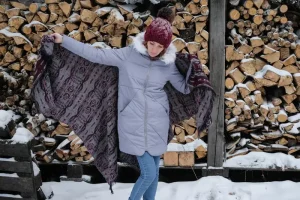
Outerwear has a major influence on winter styling because it often determines the proportions and overall character of an outfit. For autumn and winter 2026–2027, designers are revisiting established coat shapes while introducing more defined silhouettes and interesting construction details.
Recent runway coverage highlights structured tailoring, updated classic coats, and expressive outerwear as important directions.
Oversized Coats, Tailored Wool, and Modern Proportions
Oversized coats remain useful, but the styling approach is becoming more considered. Instead of relying entirely on exaggerated volume, contemporary outfits balance relaxed outerwear with cleaner shapes underneath.
Long wool coats, double-breasted designs, and structured shoulders create a polished appearance. A slightly oversized coat can work particularly well with slim knitwear, straight trousers, and streamlined boots.
Proportion is the deciding factor. If the coat has generous volume, keeping the remaining outfit relatively controlled prevents the silhouette from appearing unnecessarily heavy.
Statement Jackets as Functional Style Investments
Statement jackets offer another way to introduce seasonal personality. Suede, leather, shearling, and textured finishes are influencing contemporary outerwear choices.
A cropped leather jacket can add definition to wide-leg trousers, while a suede design creates a softer appearance with denim and knitwear. Shearling details provide additional texture and practical warmth.
The smartest approach is to select one distinctive jacket that complements the existing wardrobe. Buying several statement pieces with similar styling functions can reduce their individual usefulness.
Winter Color Palettes and Strategic Outfit Coordination
Color selection can determine whether a winter capsule wardrobe feels coordinated or disconnected. The 2026–2027 seasonal palette combines grounded neutrals with stronger shades that introduce visual energy.
Pantone’s autumn/winter 2026–2027 New York Fashion Week report identifies colors including Arabian Spice, Red Mahogany, Burnt Olive, Neptune Green, and Muted Clay. It also highlights seasonless shades such as Toffee, Egret, and Underworld.
Rich Neutrals and Earthy Seasonal Shades
Brown, charcoal, warm beige, olive, and creamy white provide strong foundations for winter outfits. These shades work well because they can be combined without requiring complicated color coordination.
Chocolate brown is particularly useful as an alternative to black. It creates a softer contrast with cream knitwear, camel coats, and dark denim.
Monochromatic dressing is another effective option. Combining different shades of brown or gray creates visual depth while maintaining a consistent overall appearance.
Integrating Accent Colors Without Complicating a Capsule Wardrobe
Accent colors should introduce distinction without reducing outfit flexibility. Deep red, burgundy, vivid green, and muted pink can add personality to neutral clothing.
A burgundy scarf, green knit sweater, or red-brown handbag can change the appearance of familiar basics without requiring an entirely new outfit.
The top winter style trends favor thoughtful color combinations rather than excessive variety. Choosing two or three foundation shades and one or two accent colors makes everyday coordination considerably easier.
Layering Techniques That Improve Outfit Versatility
Layering is more than adding clothing for warmth. It is a styling method that changes proportions, creates texture, and allows outfits to adapt to changing temperatures.
The most successful winter combinations use garments with different functions. A lightweight base layer manages comfort, knitwear provides insulation, and outerwear protects against colder conditions.
Combining Lightweight Base Layers With Structured Pieces
A fitted long-sleeve top underneath a fine-knit sweater creates a comfortable foundation without excessive bulk. Adding a tailored blazer or wool coat introduces structure.
This combination works particularly well with wide-leg trousers, straight denim, and midi skirts. It also allows individual pieces to be removed when moving between outdoor and heated indoor environments.
Managing Fabric Weight and Thermal Efficiency
Heavy fabrics are not automatically better for winter layering. Multiple lightweight layers can offer greater flexibility than one extremely thick garment.
Breathable base layers, insulating knitwear, and weather-appropriate outerwear provide different levels of protection. Their combined performance depends on fabric construction, fit, and the surrounding temperature.
Avoid overly tight combinations because compression can reduce comfort and make movement difficult. Each layer should allow enough room for the next garment.
Creating Dimension Through Proportion and Texture
Successful layering combines contrasting shapes and surfaces. A fitted turtleneck beneath a textured cardigan creates definition, while a structured coat adds another visual dimension.
Longer shirts can introduce subtle layering beneath cropped sweaters. Similarly, a slim knit can balance a voluminous scarf or oversized jacket.
The goal is to make each layer contribute something useful rather than simply increasing the number of garments.
Transitioning Layered Outfits Between Indoor and Outdoor Settings
Winter outfits need to function across different environments. A thick sweater may feel appropriate outdoors but uncomfortable inside a heated office or shopping center.
Removable layers provide a practical solution. A lightweight cardigan, overshirt, or tailored blazer can be taken off without making the remaining outfit look incomplete.
This flexibility is particularly useful for people who move frequently between commuting, professional environments, and social activities.
Texture, Fabric, and Material Choices Defining the Season
Texture is becoming an important part of winter styling. Rather than depending on complicated prints or multiple statement colors, fashion enthusiasts are using fabric contrasts to make relatively simple outfits look more considered.
Wool, suede, leather, corduroy, velvet, and textured knitwear offer different visual qualities. The autumn/winter 2026 collections emphasize tactile materials and combinations that give familiar silhouettes a more distinctive appearance.
Wool remains a dependable choice for coats, trousers, and sweaters. Its natural insulating properties make it suitable for colder conditions, while its structured appearance works well in professional and casual outfits. Cashmere is another attractive option, particularly for lightweight sweaters and scarves, although its care requirements deserve attention.
Suede and leather introduce contrast. A suede jacket paired with straight-leg denim creates a relaxed appearance, while leather trousers can add definition to a soft knit sweater. Corduroy offers another practical alternative for people who prefer traditional winter textures.
Fabric selection should also account for durability and maintenance. Expensive materials are not automatically better investments if they require care that does not fit the owner’s lifestyle. Check stitching, fabric composition, lining quality, and cleaning instructions before purchasing.
A useful styling technique is to combine three different textures in one outfit. For example, a wool coat, smooth cotton shirt, and suede boots can create depth without introducing competing patterns. This approach makes the top winter style trends wearable even when the overall outfit uses neutral colors.
Footwear and Accessories Transforming Daily Winter Outfits
Footwear and accessories can change the character of an outfit without requiring a complete wardrobe update. They are also practical investments because they influence comfort, weather protection, and styling flexibility.
Boots remain central to winter dressing. Ankle boots work with straight-leg denim, tailored trousers, and midi skirts. Knee-high boots create a more defined silhouette with dresses and skirts, while practical lace-up styles suit casual outfits.
Winter 2026 footwear coverage also highlights shearling-lined designs, buckled boots, sleek sock boots, and textured finishes. These options demonstrate how familiar footwear shapes are being updated through materials and detailing.
The best footwear choice depends on climate and daily activity. Waterproof construction, reliable traction, supportive soles, and comfortable fits should take priority when walking outdoors regularly. A visually appealing pair that becomes uncomfortable after an hour is unlikely to earn regular use.
Accessories provide additional opportunities for seasonal experimentation. Consider the following combinations:
-
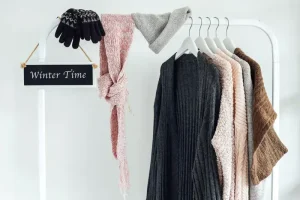
Scarves: Oversized wool scarves add warmth and texture to simple coats.
-
Gloves: Leather or insulated gloves provide functionality while complementing tailored outerwear.
-
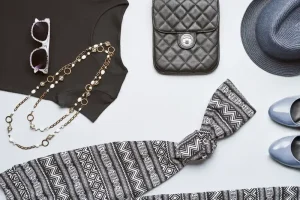
Bags: Structured shoulder bags and practical crossbody designs work with different outfit proportions.
-
Belts: A defined waist can balance oversized coats, long cardigans, and relaxed tailoring.
Accessories should support the outfit rather than compete with every other element. Choosing one prominent detail usually creates a more balanced result than combining several statement pieces.
Translating Runway Influences Into Wearable Daily Outfits
Runway fashion provides direction, but everyday dressing requires a different decision-making process. Designer collections introduce ideas through dramatic proportions, distinctive materials, and unusual combinations. The challenge is identifying which elements can be adapted to ordinary wardrobes.
For autumn/winter 2026, the broader fashion direction combines polished silhouettes with expressive details. Tailored shapes, rich textures, and more adventurous styling are appearing alongside familiar wardrobe foundations.
The top winter style trends become more practical when runway inspiration is translated into individual outfit components.
For professional environments, consider pairing tailored wool trousers with a fine-knit sweater, structured coat, and leather ankle boots. A deep red accessory can introduce seasonal color without making the outfit appear overly dramatic.
For casual dressing, combine straight-leg jeans with an argyle sweater, suede jacket, and comfortable boots. This outfit draws on traditional winter styling while maintaining a contemporary appearance.
For evening occasions, a fitted black dress can be styled with a long coat, textured tights, and knee-high boots. A statement bag or distinctive earrings can provide enough visual interest without requiring excessive accessories.
Weekend outfits benefit from similar flexibility. Wide-leg trousers, a comfortable knit, and a structured jacket create a relaxed but intentional combination. Swapping sneakers for leather boots can change the overall impression without replacing the main garments.
When evaluating runway trends, consider three factors: compatibility with existing clothing, suitability for everyday activities, and expected repeat use. A trend deserves a place in a capsule wardrobe when it improves several outfits rather than serving one temporary styling purpose.
The strongest personal wardrobes do not reproduce runway looks exactly. They interpret seasonal ideas through individual preferences, practical requirements, and clothing that already works.
Conclusion
The top winter style trends for 2026–2027 demonstrate that seasonal fashion can be expressive without becoming impractical. Structured outerwear, rich neutral palettes, tactile fabrics, versatile boots, and considered layering offer plenty of opportunities to refresh everyday outfits.
However, following every emerging trend is rarely an effective wardrobe strategy. The better approach is to identify pieces that complement existing clothing, suit the local climate, and provide genuine repeat-wear value.
A successful winter capsule wardrobe combines dependable essentials with a few distinctive seasonal additions. By paying attention to fabric quality, silhouette, color coordination, and functionality, fashion enthusiasts can create outfits that feel contemporary throughout the season without constantly purchasing new clothing.
Frequently Asked Questions
1. What are the top winter style trends for 2026–2027?
Tailored coats, rich brown shades, textured knitwear, suede jackets, expressive layering, and versatile boots are among the leading seasonal fashion directions.
2. How can I create a fashionable winter capsule wardrobe?
Start with neutral outerwear, versatile trousers, quality knitwear, comfortable boots, and complementary layering pieces. Add a few seasonal accents.
3. Which colors are popular for winter outfits?
Chocolate brown, charcoal, burgundy, olive green, creamy white, and muted earthy shades are popular choices for coordinated winter wardrobes.
4. What fabrics work best for winter clothing?
Wool, cashmere, corduroy, suede, leather, and fleece offer different combinations of warmth, comfort, durability, and visual texture.
5. How can I incorporate winter fashion trends into everyday outfits?
Choose one seasonal trend at a time, such as textured knitwear or statement boots, and combine it with familiar wardrobe essentials.