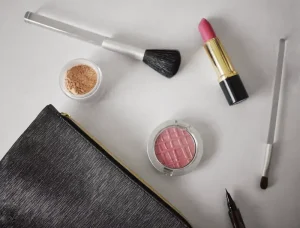
A natural glow does not come from applying more makeup. It comes from healthy-looking skin, thoughtful product choices, and a routine that brings out your features without hiding them. Whether you prefer a light everyday look or a little extra coverage, small changes can make your makeup appear fresher and more polished.
Many people assume radiant skin requires expensive products or a complicated beauty routine. In reality, consistent skincare, suitable makeup shades, and a few well-practiced techniques can make a noticeable difference. The goal is not to create perfectly smooth skin. It is to let your natural complexion show while adding a little brightness where you want it.
These essential beauty tips glow routines focus on practical steps you can use every day. From preparing your skin and choosing the right foundation to applying blush and maintaining your makeup, each step helps create a fresh finish that feels comfortable and looks natural.
Start With Healthy Skin for a Natural Glow
Good everyday makeup begins before you open your foundation bottle. Skin preparation helps makeup sit evenly, reduces the appearance of dry patches, and gives your complexion a fresh base.
Cleanse Gently Without Stripping Your Skin
Start your morning with a gentle cleanser that removes excess oil, sweat, and overnight product residue. A cleanser should leave your skin feeling comfortable, not tight or unusually dry. If your face feels stripped after washing, the formula may be too harsh for your skin.
Choose a cleanser according to your skin type. Gel or foaming formulas may suit people with oily skin, while cream-based or hydrating cleansers can feel more comfortable on dry skin. Those with sensitive skin should look for fragrance-free products with simple ingredient lists.
Avoid scrubbing your face aggressively or washing repeatedly throughout the day. Over-cleansing can disturb the skin barrier and make dryness or irritation more noticeable. A gentle routine is usually more helpful than trying to remove every trace of natural oil.
Hydrate With a Suitable Moisturizer
Moisturizer is one of the most useful products for creating a smooth makeup base. It helps reduce the appearance of dryness and supports the skin barrier. When skin is properly hydrated, foundation and concealer are less likely to cling to flaky areas.
For oily or combination skin, a lightweight gel or lotion may feel comfortable. Dry skin may benefit from a richer cream containing ingredients such as glycerin, ceramides, or hyaluronic acid. Sensitive skin often responds better to simple formulas without unnecessary fragrance.
Apply moisturizer evenly and give it a few minutes to settle before adding makeup. Using too much can cause foundation to slide or separate, so begin with a small amount. Adjust the quantity according to how your skin feels.
Never Skip Daily Sun Protection
Sun protection is an important part of maintaining healthy-looking skin. Daily exposure to ultraviolet radiation contributes to premature skin aging, uneven pigmentation, and sun damage. A broad-spectrum sunscreen with SPF 30 or higher is a practical choice for everyday use.
Apply sunscreen as the final step of your morning skincare routine, before makeup. Use enough to cover the face, ears, and other exposed areas. Allow it to settle before applying foundation or tinted moisturizer.
If you spend time outdoors, reapply sunscreen according to the product instructions, especially after sweating or swimming. Makeup with SPF can provide an additional layer, but it should not replace a properly applied sunscreen.
Choose Makeup That Enhances Your Natural Features
Natural makeup is not about using as few products as possible. It is about selecting formulas and shades that work with your complexion rather than covering it completely.
Find a Foundation That Matches Your Skin
The right foundation should blend into your skin without creating a visible line around the jaw. Test potential shades along the jawline in natural daylight, since indoor lighting can make colors look different. A shade that matches your face but looks noticeably different from your neck may not be the best choice.
Your skin type should influence the formula. A hydrating liquid foundation may suit dry skin, while a lightweight matte or oil-controlling formula may work better for oily skin. Combination skin often benefits from a natural-finish foundation that is neither too rich nor too drying.
For everyday makeup, start with a thin layer and build coverage only where needed. Applying too much foundation can make skin look heavy and hide its natural texture. The aim is to even out the complexion while allowing freckles and natural features to remain visible.
Use Concealer Only Where Needed
Concealer can brighten the under-eye area and cover individual blemishes without requiring a full layer of foundation. Choose a shade close to your skin tone for spots and discoloration. For under-eye brightness, a slightly lighter shade may work, but going several shades lighter can create an unnatural contrast.
Apply a small amount near the inner corners of the eyes or directly over areas that need coverage. Blend gently with a fingertip, small brush, or makeup sponge. Avoid dragging the product across delicate under-eye skin.
If concealer settles into fine lines, use less product and prepare the area with a suitable moisturizer. A thin application usually looks more natural than repeatedly adding layers.
Select Colors That Complement Your Undertone
Understanding your skin undertone can make choosing foundation, blush, lipstick, and eyeshadow easier. Undertones are commonly described as warm, cool, or neutral. Warm undertones often suit peach, coral, and golden shades. Cool undertones may pair well with rose, berry, and soft mauve colors. Neutral undertones can work with a wider range.
These are helpful starting points, not strict rules. Personal taste, skin depth, and the finish of a product all influence how a color looks. Try makeup shades in daylight and notice which ones make your complexion look lively rather than washed out.
A natural everyday look often works best with colors that are close to the tones already present in your face. Soft peach blush, muted rose lipstick, and gentle brown eyeshadow can add definition without looking dramatic.
Create a Fresh, Dewy Makeup Base
A radiant complexion usually has a balanced finish. Too much powder can make skin look flat, while too much shimmer can emphasize texture. The best approach is to add glow selectively.
Apply Primer According to Your Skin Needs
Primer can help makeup apply more evenly, but not everyone needs one. A hydrating primer may help reduce the appearance of dry patches, while a mattifying formula can control shine in areas that become oily during the day.
If your moisturizer and sunscreen already create a smooth base, you may not need another layer. Too many products can cause pilling, especially when formulas do not work well together.
When using primer, apply a small amount to the areas where you want better makeup grip or a smoother finish. Allow it to settle before applying foundation. This gives each layer time to sit properly on the skin.
Use Cream Blush for a Healthy Flush
Cream blush is a simple way to make the face look fresh and lively. Its texture often blends naturally into liquid or cream foundation, creating a soft finish that resembles a natural flush.
Choose a shade that complements your complexion. Peach, warm pink, berry, and muted rose can all work beautifully depending on your skin tone. Apply a small amount to the cheeks and blend upward toward the temples.
The secret is to build color gradually. Start with a little product and add more if needed. Applying too much at once can make the cheeks look overly bright, while a soft layer creates a healthier, more balanced appearance.
Add Highlighter With a Light Hand
Highlighter adds brightness to selected areas of the face. For a natural finish, choose a finely milled powder or subtle cream formula without large visible glitter particles.
Apply a small amount to the upper cheekbones, the bridge of the nose, or the inner corners of the eyes. These areas catch light naturally. Avoid covering the entire face with shimmer because it can make skin texture more noticeable.
If your skin is oily, use highlighter only on the areas where you want a glow. Leave the center of the forehead and sides of the nose more natural if they already become shiny throughout the day.
Define Your Eyes Without Heavy Makeup
Everyday eye makeup can be simple and still make a noticeable difference. A little definition around the lashes, a soft eyeshadow shade, and neatly groomed brows can make the eyes look more awake.
Choose Neutral Eyeshadow Shades
Neutral eyeshadows are useful for everyday looks because they add depth without competing with the rest of your makeup. Beige, soft brown, taupe, and muted rose are easy to wear with different outfits and lipstick shades.
Apply a light shade across the eyelid and blend a slightly deeper color into the crease. Use a small brush and build the intensity gradually. Blending is more important than applying several different colors.
For a little extra brightness, add a subtle shimmer to the center of the lid or inner corner. Keep the finish soft if you want your makeup to remain suitable for work, classes, or everyday activities.
Use Mascara to Open Up Your Eyes
Mascara can make lashes look longer, darker, and more defined. Choose a formula based on your preference. Lengthening mascara can create a separated look, while volumizing formulas make lashes appear fuller.
Wipe excess product from the wand before application to reduce clumping. Start at the roots and move gently toward the tips. One or two light coats are usually enough for an everyday appearance.
If you have sensitive eyes, check the ingredient list and choose a product suitable for your needs. Remove mascara carefully at the end of the day rather than rubbing your lashes, which can lead to breakage or irritation.
Keep Eyebrows Soft and Natural
Well-groomed brows frame the face and help balance eye makeup. You do not need sharply defined brows to achieve a polished appearance. A brow pencil, powder, or tinted gel can fill small gaps while keeping the natural shape visible.
Use light, hair-like strokes instead of drawing one solid line. Choose a shade that blends with your natural brow color. If you use brow gel, brush the hairs gently into place without making them look stiff.
Avoid overfilling the front of the brows. A softer start and slightly more definition toward the tail usually create a balanced finish.
Finish Your Look With Natural Lip and Cheek Color
The lips and cheeks can bring the whole makeup look together. Choosing complementary colors helps the face appear fresh without requiring heavy coverage or dramatic eye makeup.
Choose a Comfortable Everyday Lip Color
A natural lip color does not have to match your exact lip shade. Soft rose, nude pink, peach, warm brown, and muted berry tones can all create an understated finish.
Consider your natural lip color when choosing a nude lipstick. A shade that is too pale may make the face look washed out, while a slightly deeper tone can add definition without appearing bold.
For daily wear, tinted lip balms and creamy lipsticks are convenient options. They provide color while feeling comfortable on the lips. If you prefer a matte finish, prepare your lips first so the product does not emphasize dry areas.
Keep Lips Smooth and Hydrated
Dry lips can make even an expensive lipstick look uneven. Apply a nourishing lip balm before makeup and allow it to absorb. If your lips are flaky, a gentle lip exfoliant used occasionally may help, but avoid harsh scrubbing.
A simple balm containing ingredients such as petrolatum or shea butter can help reduce moisture loss. Reapply throughout the day when your lips feel dry, especially in cold, windy, or air-conditioned environments.
At night, a thicker layer of lip balm can help keep lips comfortable. Regular hydration makes it easier to wear both tinted products and natural lip colors.
Make Your Everyday Makeup Last Longer
A fresh makeup look should remain comfortable throughout the day. The goal is not to prevent every bit of natural shine or movement. It is to help products stay in place without adding unnecessary layers.
Set Makeup Only Where Necessary
Powder can reduce shine and help certain makeup products last longer. However, applying it across the entire face may make a natural look appear dry or flat.
Use a small fluffy brush to apply translucent powder to areas that tend to become oily, such as the sides of the nose, forehead, and chin. Leave the cheeks lightly powdered or untouched if you want to preserve a dewy finish.
If you have dry skin, choose a finely milled powder and use a very small amount. Pressing too much powder into the skin can emphasize fine lines and dry patches.
Use Setting Spray for a More Natural Finish
Setting spray can help makeup layers look more unified and may improve wear, depending on the formula. Some sprays provide a fresh finish, while others are designed to reduce shine or improve longevity.
Hold the bottle at the distance recommended on its label and apply a light mist. Avoid soaking the face, since excess liquid can disturb foundation or mascara.
Choose a formula that suits your skin and makeup preferences. Setting spray is optional, not essential. If your makeup already lasts comfortably, you may not need it every day.
Beauty Habits That Support a Natural Glow
Makeup can create an immediate fresh appearance, but healthy-looking skin also benefits from daily habits. Consistency often matters more than adding another product to your routine.
Stay Hydrated and Eat a Balanced Diet
Drinking enough water supports normal body functions and helps prevent dehydration. However, drinking extra water beyond your body’s needs does not automatically remove wrinkles or create glowing skin.
A balanced diet provides nutrients that support skin health. Include a variety of vegetables, fruits, whole grains, protein sources, and healthy fats. Foods containing vitamin C, vitamin E, zinc, and omega-3 fatty acids contribute to normal skin function.
There is no single food that guarantees clear or radiant skin. Focus on varied meals and sustainable habits rather than restrictive diets or expensive beauty drinks.
Get Enough Sleep and Manage Stress
Poor sleep can make the face appear tired, particularly around the eyes. A regular sleep schedule supports overall health and can make your morning routine feel easier. Most adults benefit from around seven to nine hours of sleep each night.
Stress can also affect the skin. Some people notice more breakouts, sensitivity, or changes in oil production during stressful periods. Gentle exercise, regular breaks, and relaxing activities may help support general well-being.
These habits are not overnight beauty treatments. Their value comes from consistency and the way they support your overall health.
Remove Makeup Before Bed
Sleeping in makeup can leave dirt, oil, sunscreen, and product residue on the skin. It may also contribute to clogged pores or irritation, particularly around the eyes.
Use a gentle makeup remover or cleansing balm to dissolve foundation, mascara, and long-wearing products. Follow with a suitable cleanser if needed, then apply moisturizer.
Be gentle when removing eye makeup. Hold a suitable remover against the closed eyelid for a few seconds before wiping away the product. Avoid pulling or rubbing the delicate skin around the eyes.
Build a Simple Everyday Beauty Routine
A routine does not need ten products to work. A few well-chosen steps can create a fresh look without taking too much time.
In the morning, cleanse gently, moisturize, and apply sunscreen. Once the skincare has settled, use a light foundation or tinted moisturizer if you want more even coverage. Add concealer only where needed, followed by cream blush, a little mascara, groomed brows, and a comfortable lip color.
For a more polished finish, add subtle eyeshadow and a small amount of highlighter. Set only the areas that become shiny. This approach keeps the complexion looking like skin instead of a thick layer of makeup.
The most useful essential beauty tips glow routine is one you can maintain comfortably. You may need to adjust products when the weather changes or when your skin becomes drier or oilier. Pay attention to how your skin responds rather than following every beauty trend.
Conclusion
A radiant everyday look starts with skin preparation and thoughtful product choices. Gentle cleansing, suitable moisturizer, daily sunscreen, and light makeup application create a good foundation. Cream blush, natural lip color, softly defined eyes, and selective highlighter add freshness without hiding your features.
The best results come from understanding your skin and choosing products that feel comfortable throughout the day. You do not need a large makeup collection or a complicated routine to look refreshed. Follow these essential beauty tips glow practices consistently, make small adjustments when needed, and let your natural features remain the focus.
Frequently Asked Questions
1. How can I make my face look naturally glowing every day?
Cleanse gently, moisturize, and apply broad-spectrum sunscreen each morning. Use lightweight foundation, cream blush, and subtle highlighter. Consistent skincare and gentle makeup application help create a fresh, healthy-looking complexion without heavy coverage.
2. What makeup products are best for a natural everyday glow?
Choose a lightweight foundation or tinted moisturizer, concealer, cream blush, mascara, and a comfortable lip tint. Add a little highlighter if desired. Select formulas that suit your skin type and blend naturally.
3. How do I keep my makeup looking fresh all day?
Prepare your skin with moisturizer and sunscreen, then apply thin makeup layers. Set oily areas lightly with powder and use setting spray if suitable. Carry lip balm for simple touch-ups throughout the day.